World Hepatitis Day 2026
Every year on 28 July, the global community unites for World Hepatitis Day. Spearheaded by the World Health Organisation (WHO), this campaign raises vital awareness about viral hepatitis—an inflammation of the liver that causes severe illness, liver scarring, and cancer.
Breaking the Chain: How Total Hygiene and Safe Waste Management Fight Hepatitis
The core message of World Hepatitis Day is both urgent and clear: while safe vaccines and cures exist, viral hepatitis remains a silent global killer because millions of people do not know they are infected.
The Death Toll: Viral hepatitis kills roughly 1.3 million people every single year—equal to one death every 30 seconds.
The Scope: Over 300 million people worldwide live with chronic hepatitis B or C.
The Vision: The ultimate goal is to eliminate viral hepatitis as a public health threat by 2030.

Achieving a hepatitis-free future demands more than medicine. It requires flawless clinical safety, strict workplace hygiene, and a commitment to protecting the people who serve the public. Whether you run a busy healthcare clinic or a bustling restaurant kitchen, here is how our complete cleaning, hygiene, and disposal solutions break the chain of infection.
Stopping Blood-Borne Viruses in Healthcare (Hepatitis B, C, & D)
Hepatitis B and C are highly infectious, blood-borne viruses that can survive on environmental surfaces for days. In medical environments, infection control requires a multi-layered defence.
- Secure Sharps Disposal: Accidental needlestick injuries are a leading cause of workplace transmission for healthcare staff. Our professional medical sharps disposal services isolate needles, syringes, and scalpels in puncture-resistant containers immediately after use.
- Fully Vaccinated Drivers: Because our logistics teams handle biohazardous waste daily, every single one of our waste collection drivers is fully vaccinated against Hepatitis B. This protects our staff and reduces liability and cross-contamination risks during transport.
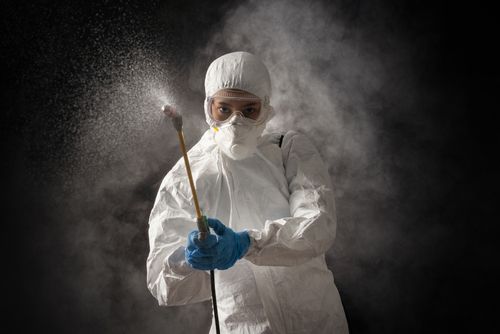
- Certified PPE: Personal protective equipment acts as the ultimate physical barrier. We supply healthcare facilities with compliant PPE—including heavy-duty gloves, gowns, and face shields—to keep clinical staff safe during high-risk procedures and waste handling.
Guarding the Kitchen: Food & Water Safety in Hospitality (Hepatitis A & E)
Unlike the blood-borne strains, Hepatitis A and E are spread via the faecal-oral route—usually when an infected person handles food or water without proper hygiene. For restaurants, hotels, and hospitality venues, a single outbreak can ruin a business.
- The Power of Hand Hygiene: Handwashing is the absolute primary defence against Hepatitis A. We provide high-quality hand soaps, effective hand sanitisers, and reliable, touch-free dispensers to keep both kitchen staff and customers safe.
- Surface Sanitisation: Ensuring that food preparation surfaces, utensils, and guest areas are cleaned with commercial-grade sanitiser prevents cross-contamination and blocks the spread of food-borne viruses.
Rapid Response: Biohazard and Body Fluid Spill Kits
Accidents happen in both clinics and dining rooms. When bodily fluids like blood or vomit are spilled, standard cleaning methods are not enough to kill resilient viruses like hepatitis.
We supply specialised body fluid spill clean-up kits designed for rapid, safe decontamination. These kits contain everything your team needs—including absorbent granules, disinfectant sprays, and disposal bags—to neutralise biohazards instantly, protecting your staff from accidental exposure.
Partnering for a Safer Future
The battle against viral hepatitis is fought inside the body with medicine, and outside the body with rigorous hygiene. From medical waste disposal and certified PPE to commercial hand hygiene systems and spill kits, we supply the tools that keep your healthcare or hospitality business safe, compliant, and open for business.
Is your facility fully protected? Contact our expert team on
01723 373509 today to review your cleaning protocols, secure your hygiene supplies, or audit your waste management system.